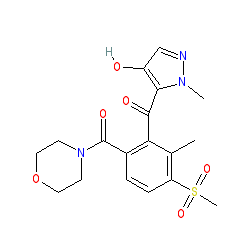
Topramezone
Description
Topramezone is a selective post-emergence herbicide belonging to the pyrazolone class, primarily used for controlling broadleaf and grass weeds in corn and other crops. It inhibits the enzyme 4-hydroxyphenylpyruvate dioxygenase (HPPD), leading to the disruption of carotenoid biosynthesis in target plants. This results in bleaching and subsequent necrosis of the weeds. Other identifier- UNII: W4934JAQ65
Related Products
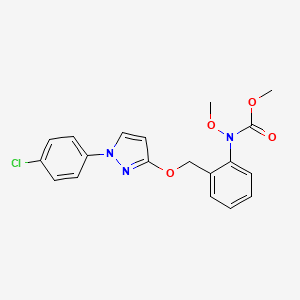
Pyraclostrobin Technical
Pyraclostrobin is a broad-spectrum fungicide belonging to the strobilurin class, known for its preventive and curative properties. It inhibits mitochondrial respiration in fungi, effectively controlling a wide range of plant pathogens. Pyraclostrobin is widely used in agriculture to protect high-value crops, ensuring enhanced yield and quality.
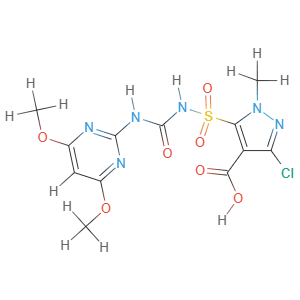
Halosulfuron
Halosulfuron is a systemic sulfonylurea herbicide used for selective post-emergence control of broadleaf weeds and sedges in various crops, including maize, sugarcane, rice, sorghum, nuts, and turf. It functions as an acetolactate synthase (ALS) inhibitor, disrupting the biosynthesis of essential amino acids, thereby inhibiting cell division and plant growth. Other identifiers are UNII-8WU8U5S0UR and KEGG-C18442
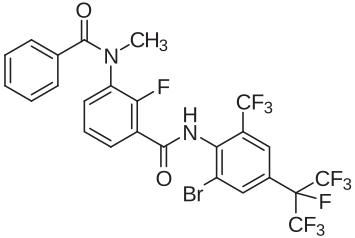
Broflanilide
Broflanilide is a novel meta-diamide. It functions as a GABA-gated chloride channel allosteric modulator, providing a unique mode of action against various insect pests. Broflanilide, with the CAS number 1207727-04-5, is a synthetic insecticide used to control chewing pests like caterpillars and beetles, it is considered a meta-diamide insecticide with a novel mode of action. Acts as a potent antagonist at the insect resistant-to-dieldrin (RDL) GABA receptor, disrupting the insect's nervous system.
Frequently Asked Questions
Need Help Finding the Right Chemical?
Our team of experts can help you source the exact chemical products you need for your application. Get personalized assistance and technical support.